
Collection · Human hair lace fronts with natural hairlines
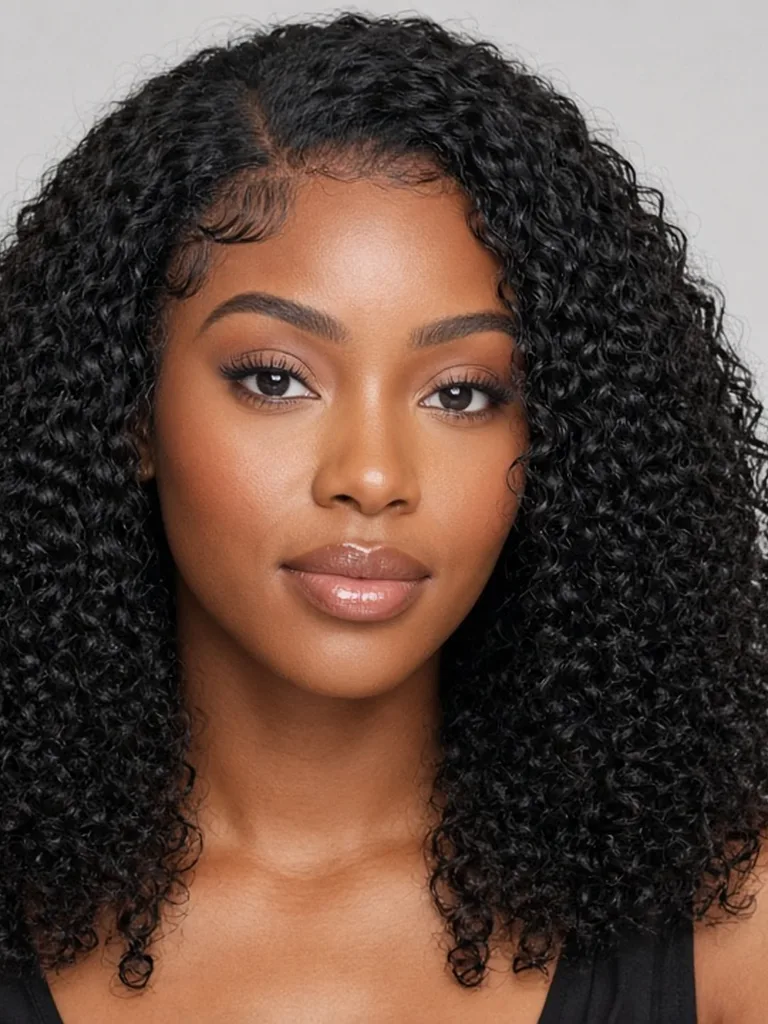
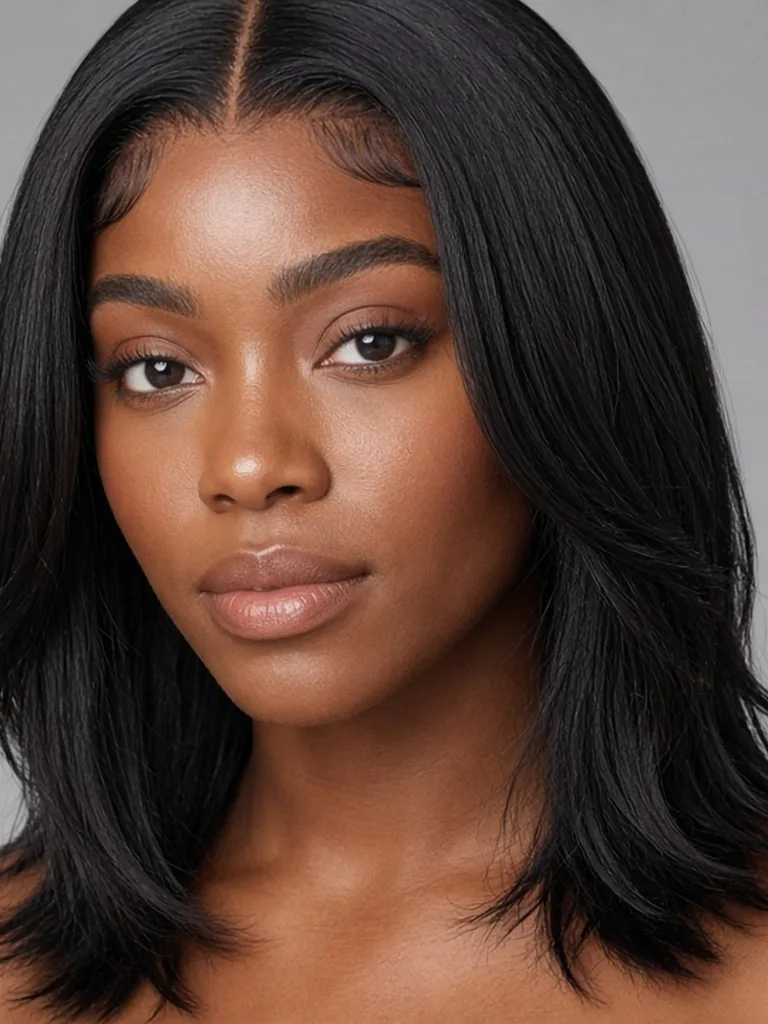
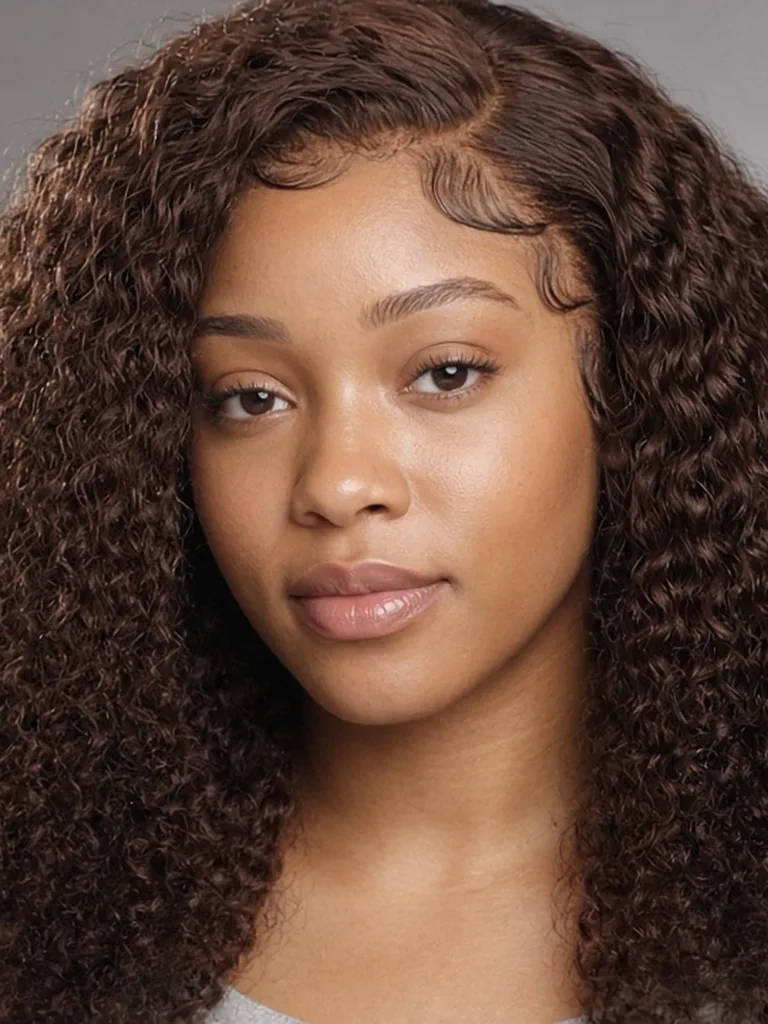
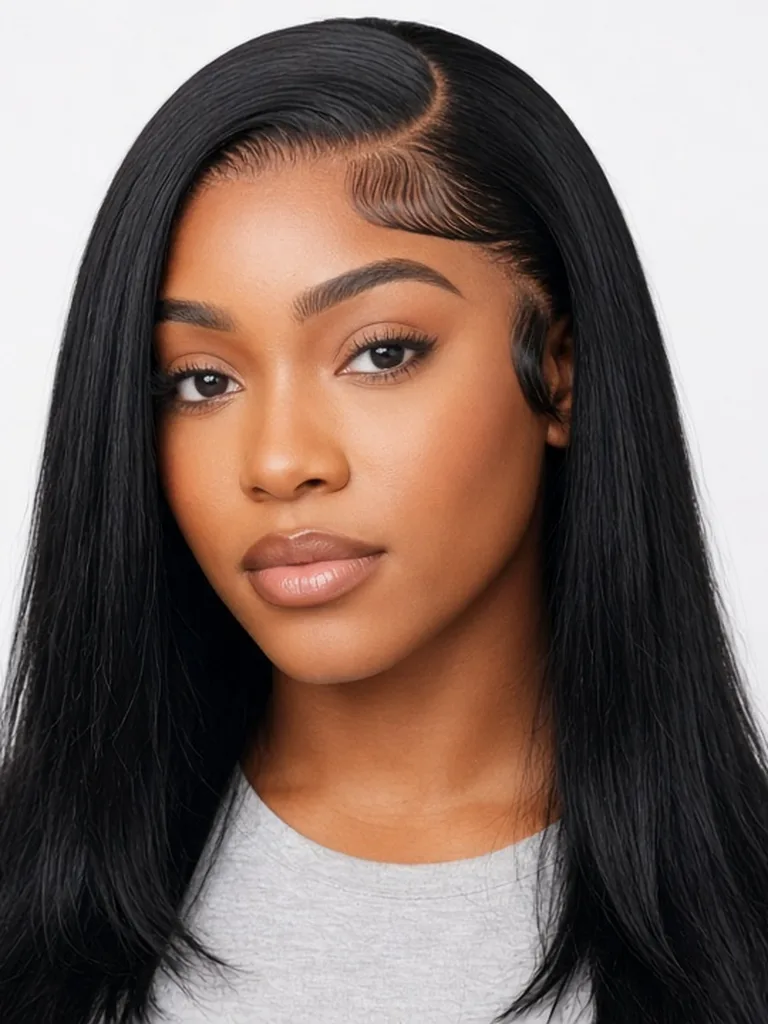
Shop human hair lace front wigs with HD lace options and natural hairlines. Everyday parting, soft baby hairs, and a seamless front under office light or daylight—many styles pair with glueless caps.
Quick answer: A human hair lace front uses a sheer lace panel for a natural hairline and freer parting. Measure with the Cap Guide, match lace depth in the Lace Guide, then choose density (150% · 180% · 200%+) for your week.
Shop lace front
Human hair lace front styles
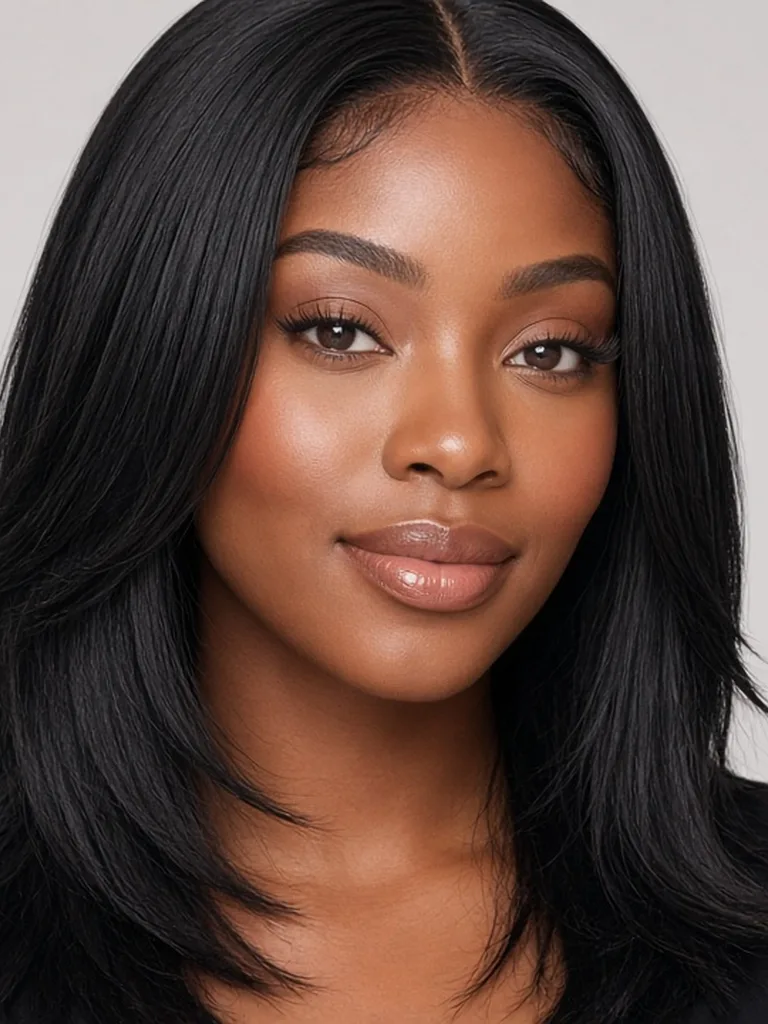
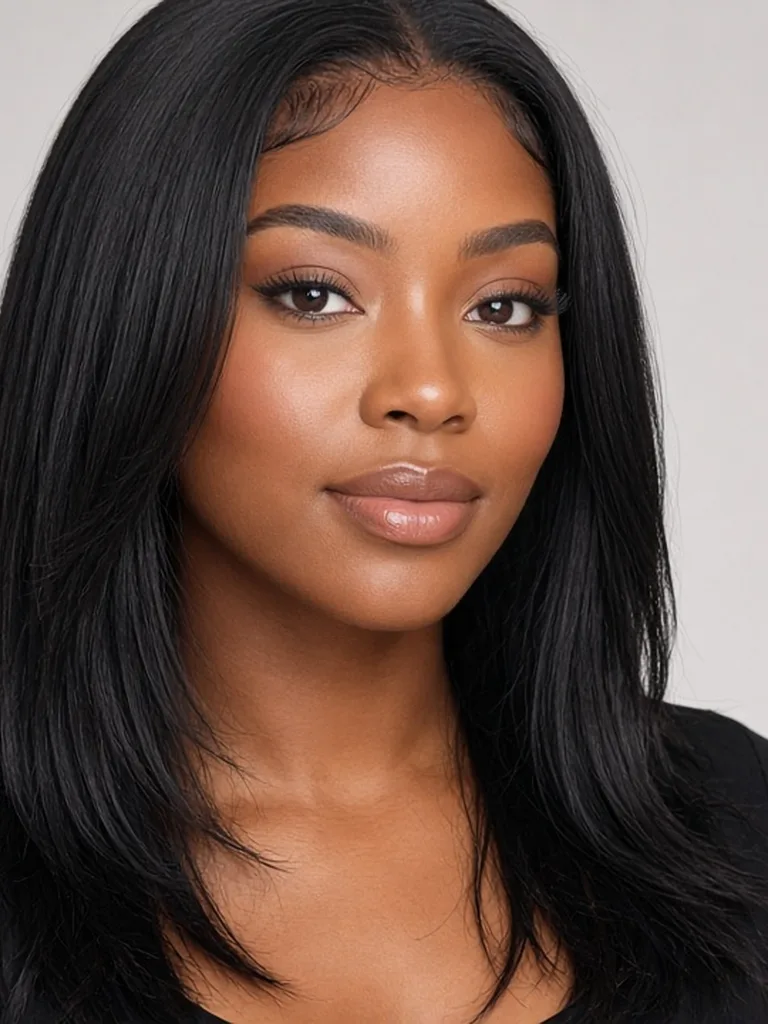
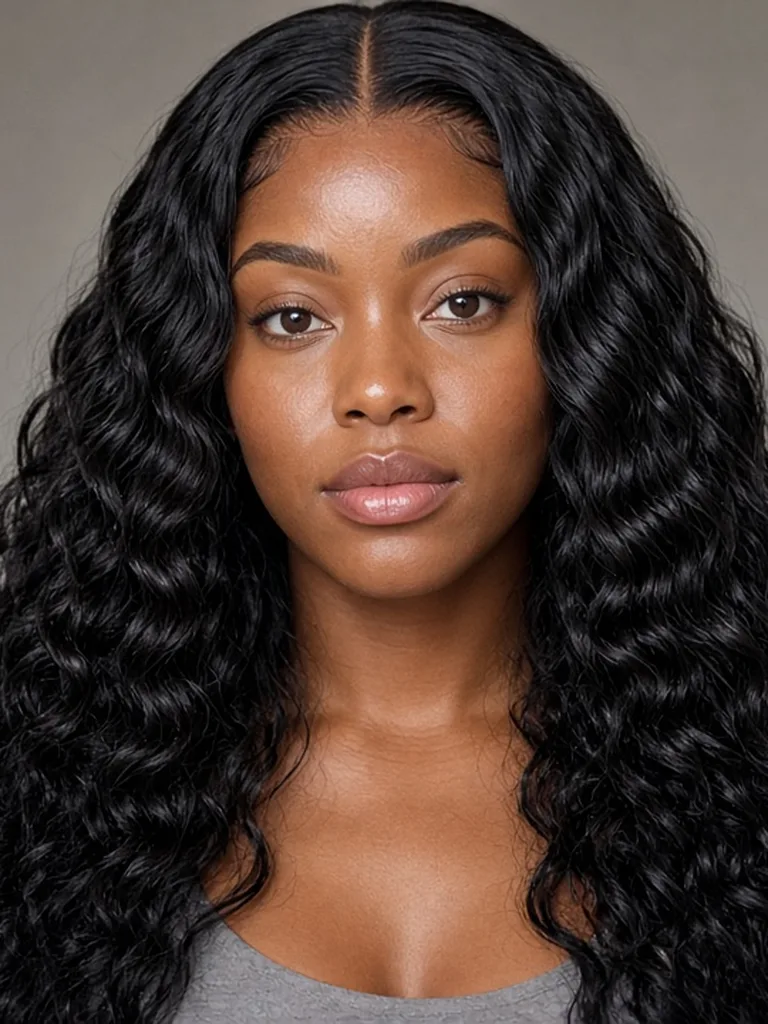
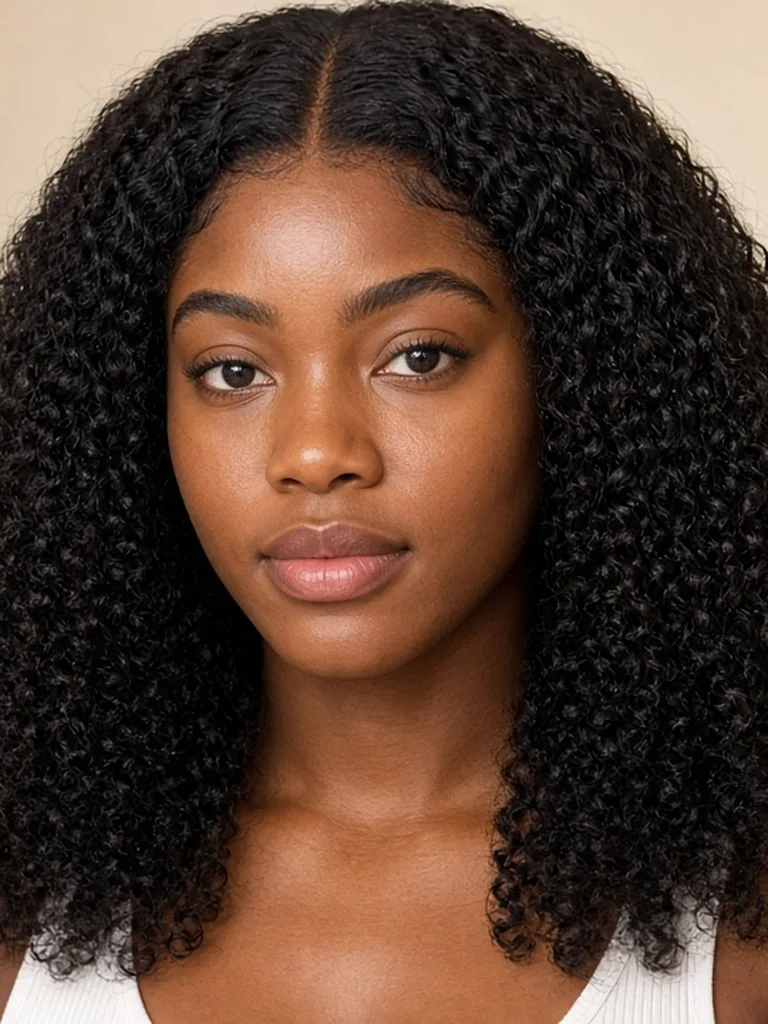
View all productsFirst grid shows Neyora human-hair lace front units—not china-direct lanes or fashion-costume synthetics.
Learn
What is a lace front wig?
A lace front wig places a sheer lace panel across the forehead so individual hairs can be knotted along a realistic hairline. That panel—often called a frontal when it spans ear to ear—lets you part, sweep bangs, and style the front with more freedom than a fixed-part closure. When the lace is thin and the knots are tidy, the edge melts into your skin tone instead of reading like a hard band.
Neyora lace front styles use human hair with pre-plucked edges and optional HD lace for a softer blend under bright light. You still choose density, texture, and length the same way you would for any unit; the lace front simply unlocks how the hairline and part behave. Pair a frontal with a glueless or wear-and-go cap if you want that natural edge without a long adhesive routine, or keep classic lace if you prefer traditional installs for longer wear cycles.
Lace size
How to choose lace size
Lace size decides how far the sheer panel runs and how freely you can change your part. A 5×5 or 7×6 closure keeps a set middle or side part simple—great when you wear the same silhouette most weeks. A 13×4 frontal opens middle-to-side parts and soft face-framing; a 13×6 adds deeper parting space when you like to pull hair back or switch styles often.
Match lace depth to your weekly habits, not only the product photo. If you rarely change your part, a closure stays easier to maintain. If you style bangs, half-ups, or occasional ponytails, a deeper frontal pays off. HD lace options help the panel disappear on camera and under fluorescent office light, especially on deeper skin tones when knots are properly matched. Read the Lace Guide for visuals, then check the Cap Guide so circumference and lace work together. For a full buying checklist—parting habit, density, and prep—see How to choose a lace front wig. Soft edge vs trimmed lace? Read Pre-plucked and pre-cut lace explained.
How to choose
Hairline, density, and texture
Three decisions shape how a lace front reads on day one. Start with hairline finish, then density, then texture—each card points to a short guide when you want more detail.
Hairline
Pre-plucked edges and baby hairs soften the front so the lace does not sit like a hard outline. HD lace thins the panel further for brighter rooms and close photos.
Density
Density controls fullness at the crown and ends. 150% feels airy; 180% is the everyday sweet spot; 200%+ reads camera-ready. Lace fronts look most natural when density is not overloaded at the hairline.
Texture
Straight and body wave keep daily upkeep light; deep wave and curly add volume with a little more moisture care. Choose the pattern you will actually style between washes.
Why Neyora
Lace fronts built for real days
Hairlines that blend
Pre-plucked human hair edges and HD lace options so the front reads soft in daylight, office light, and evening photos—not like a hard plastic rim.
Sizes you can style with
Closures for set parts and 13×4 / 13×6 frontals when you want freer parting—clear lace guidance before checkout so you buy the panel you will actually use.
Support after you order
Free US shipping on orders $149+ and easy 30-day returns when lace size or density needs a second try. Cap and lace guides stay one click away.
FAQ
Lace front wig questions
What is a lace front wig?
A lace front wig uses a sheer lace panel across the forehead so hairs can be knotted into a natural-looking hairline. That panel lets you part and style the front more freely than a fixed-part closure alone.
What does HD lace mean?
HD lace is a thinner, more transparent lace panel designed to blend with a wider range of skin tones under bright light and on camera. It still needs a good hairline and proper knot matching to look seamless.
Should I choose a closure or a frontal?
Choose a 5×5 or 7×6 closure when you keep one part most of the time. Choose a 13×4 or 13×6 frontal when you switch middle and side parts, wear soft bangs, or pull hair back. The Lace Guide compares each size with visuals.
Can lace front wigs be worn glueless?
Yes. Many Neyora lace fronts pair with glueless or wear-and-go caps so the natural hairline comes from the lace while hold comes from the band and straps—not from adhesive. See our glueless and wear-and-go collections for ready options.
How do I care for the lace panel?
Keep adhesives and heavy gels away from the lace if you wear glueless. Wash gently, avoid tugging the front when detangling, and store the unit on a stand so the lace dries flat. A clean, dry panel lasts longer and blends better.
What density looks most natural at the hairline?
Mid density (around 180%) with a pre-plucked front usually reads most natural day to day. Very high density at the edge can look bulky; very low density can show more scalp than you want under bright light.
What is your shipping and returns policy?
Orders $149+ ship free within the US from our warehouse network. If lace size or fit is not right, you have an easy 30-day return window—details are on the Returns page.
Keep exploring